Transform Your Hair: The Benefits of Hair Keratin Treatment You Need to Know
Hair keratin therapies have risen in prominence because of their power to enhance hair texture and overall appearance. Through the infusion of keratin, these procedures work to minimize frizz and boost shine. A large number of individuals turn to this treatment for sleeker, more controllable hair. Nevertheless, the procedure and comprehensive article its effects deserve thoughtful evaluation. Grasping the details of keratin treatments enables better choices regarding one's hair care regimen. What exactly should one expect from this treatment?
Understanding Keratin Hair Treatments: Defining the Process and How It Works
Precisely what are hair keratin treatments, and how are they performed? Hair keratin treatments are salon-based procedures designed to strengthen and smooth hair by introducing keratin, a natural protein that comprises a large part of hair structure. In the course of the treatment, a keratin solution is carefully applied frequently mixed with several chemical compounds, to the hair shaft. Heat is then used to lock in the solution, enabling the keratin to absorb into the hair more thoroughly.
The procedure operates by restoring and smoothing damaged portions of the hair cuticle, creating a smoother hair surface. This method decreases frizz and increases shine, making hair significantly more manageable. Typically, the results can last several weeks, based on individual hair type and care routine. Ultimately, hair keratin treatments present a reliable approach to improving hair texture and appearance, making them a popular selection for those aiming to elevate their hair's health and overall look.
Main Advantages of Keratin Therapy for Frizz Management
Keratin treatments deliver remarkable results for those struggling with frizz. Essentially, these treatments function by saturating the hair with keratin, a naturally derived protein that refines the hair cuticle. This technique notably minimizes the hair's porosity, allowing it to retain moisture and combat humidity—two frequent causes of frizz.
Moreover, keratin treatments improve hair manageability, making it easier to work with. The polished finish attained through these treatments not only eliminates frizz but also delivers a glossy shine, giving the hair a more vibrant quality.
Additionally, these solutions can minimize time spent on styling; individuals spend less time blow-drying and flat-ironing. All things considered, clients can experience long-lasting benefits, resulting in less daily upkeep. By addressing texture and frizz head-on, keratin treatments present an ideal solution for people who want smooth, frizz-free hair.
Keratin Treatments Duration: How Long Can You Expect Them to Last?
The duration of keratin treatments varies, generally ranging from three to six months. Various factors, including hair type, product quality, and aftercare routines, may affect how long results last. Understanding maintenance tips can further extend the benefits of these treatments.
Standard Treatment Lifespan
Longevity is a key consideration for those contemplating a keratin treatment. Typically, the effects of a keratin treatment can last anywhere from three to six months, influenced by elements like hair type and care habits. People frequently notice smoother, manageable hair during this duration, which greatly reduces styling time and improves manageability. This treatment functions by introducing keratin—a naturally occurring protein—into the hair shaft, forming a protective layer. With continued washing and styling, the treatment progressively wears away. Routine maintenance sessions can prolong the advantages, enabling people to appreciate their refreshed hair for an extended period. In the end, knowing the standard duration assists clients in forming reasonable expectations for their hair care experience.
Factors That Determine Duration
While numerous people expect the smooth results of a keratin treatment, a number of factors significantly affect how long the effects will last. For starters, the hair type is a key factor; fine or straight hair tends to lose results sooner than coarse or curly hair. The caliber of the keratin product used also plays a role, as higher-quality formulations generally provide more enduring effects. Environmental conditions, such as sun exposure, chlorine, and humidity, can diminish the treatment's longevity. Beyond that, the frequency of washing and the types of hair care products employed can markedly impact durability. Finally, the skill level of the stylist administering the treatment can determine how effectively the keratin binds to the hair, further influencing overall duration.
Maintenance Tips for Longevity
Consistent care is crucial to prolonging the effectiveness of keratin treatments. To maximize duration, it is important to avoid shampooing the hair for at least 72 hours following the treatment, enabling the keratin to bond thoroughly. When washing, sulfate-free shampoos are recommended, as sulfates can strip the treatment. Limiting hair washing to two to three times a week can also help preserve the treatment's effects. Furthermore, employing a wide-tooth comb to work through wet hair helps reduce breakage. It is advisable to minimize exposure to chlorine and saltwater, as these can weaken keratin bonds. Consistent moisturizing and applying heat protectants prior to styling can additionally extend the treatment's duration. By adhering to these care guidelines, people can experience silkier, more vibrant hair for a longer time.
Expectations for Your Keratin Treatment Session
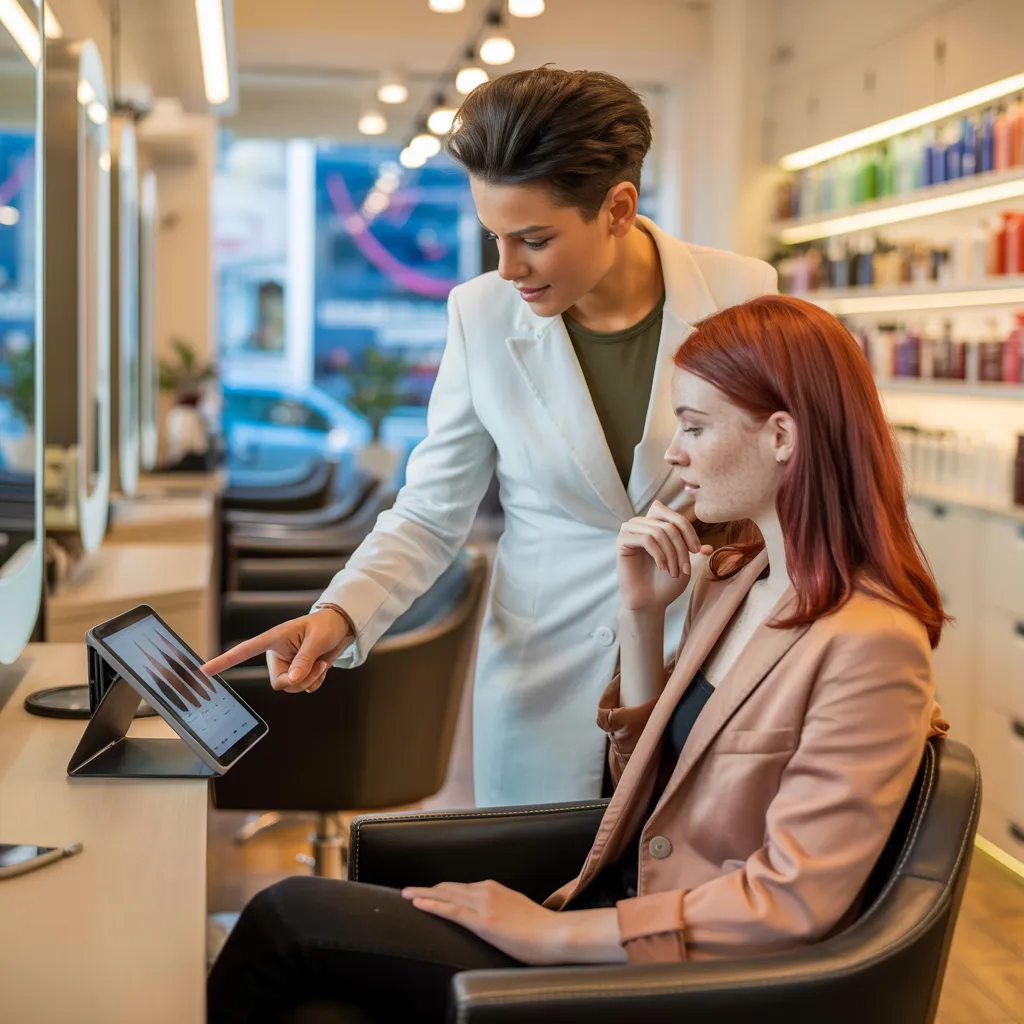
A professional keratin treatment promises a revitalizing experience for individuals looking for smoother, shinier hair. Customers should anticipate the session to take anywhere from an hour to three hours, based on individual hair length and density. At the start of the appointment, a consultation is usually performed to determine the condition of the hair and identify the most suitable treatment option.
The stylist proceeds to shampoo the hair with a purifying shampoo to clear away buildup, and then follows with the applying the keratin solution. The solution is carefully distributed thoroughly, guaranteeing full coverage. Once the processing period is complete, heat is then applied using a flat iron to seal in the keratin.
Throughout the session, customers may detect a mild chemical smell, which is perfectly normal. As the session concludes, the hair will appear noticeably smoother and more manageable. Guests should leave the salon feeling enthusiastic about their transformed appearance, knowing that the outcome can persist for several weeks with appropriate maintenance.
How to Maintain Your Keratin Treatment Aftercare
Aftercare is vital for maximizing the benefits of a keratin treatment. It is essential to keep hair away from moisture for the first couple of days and to use sulfate-free products to protect the hair's structure. These habits help protect the treatment's results and enhance overall hair health.
Minimize Water Exposure
Sustaining the results of a keratin treatment requires careful attention, especially in the days after the application. One essential aspect of aftercare is preventing water exposure. For at least 72 hours after the treatment, individuals should avoid washing their hair or exposing it to any moisture. This includes refraining from activities that may cause sweating, such as vigorous exercise or hot showers. Water can compromise the keratin bonds that have been carefully incorporated into the hair, undermining the treatment's effectiveness. Additionally, individuals should be mindful about environmental factors, such as rain or humidity. Adhering to these steps will help preserve the smoothness and shine gained from the keratin treatment, ensuring longevity and best results. Proper aftercare plays a fundamental role in maintaining beautiful, healthy hair.
Use Sulfate-Free Products
After the initial 72 hours of refraining from water contact, applying sulfate-free products is crucial for preserving the benefits of a keratin treatment. Sulfates, commonly found in traditional shampoos, can strip the hair of its natural oils and reduce the treatment's performance. By opting for sulfate-free alternatives, people can maintain the shine and smoothness achieved through keratin treatments. These products are gentler on the hair , working to preserve hydration and sustain the treatment's effects. Furthermore, sulfate-free shampoos commonly feature nourishing ingredients that can additionally improve hair health. Consistent application of these products can combat frizz and maintain the polished, easy-to-manage quality that keratin treatments offer, guaranteeing prolonged effects and improved overall hair appearance.
Potential Risks and Key Considerations of Keratin Treatments
Although keratin treatments provide many advantages for hair smoothing and luster, potential risks and considerations should not be overlooked. One primary concern is the presence of formaldehyde in some formulations, which can release harmful fumes during application. Prolonged exposure may lead to respiratory issues or skin irritation. Furthermore, people with sensitive scalps or existing allergies may suffer negative reactions, requiring that a patch test be performed ahead of treatment.
An additional factor to consider is the duration of effects; while keratin treatments can offer a sleek finish for several months, maintaining the preferred appearance requires dedicated maintenance, including sulfate-free products. Furthermore, frequent treatments may lead to hair becoming overly processed, leading to hair dryness or breakage over time.
To conclude, it is important to seek advice from a professional stylist to verify that the chosen treatment is ideal for your hair type and condition, reducing risks while enhancing benefits.
Questions We Often Receive
Is It Possible to Get Keratin Treatments on Color-Treated Hair?
Indeed, keratin treatments can be applied on chemically colored hair. Nevertheless, it's wise to wait at least two weeks after the coloring process to guarantee the hair's integrity and enhance the effectiveness of both treatments.
How Frequently Can I Get a Keratin Treatment?
Ordinarily, keratin treatments are recommended every three to six months, subject to individual hair type and condition. Reaching out to a professional stylist can offer individualized suggestions for ideal results and hair health.
Are There Natural Alternatives to Keratin Treatments?
Organic substitutes for keratin treatments consist of coconut oil, argan oil, and aloe vera. Such remedies can boost hair's moisture and shine, providing smoother texture and reduced frizz without the chemicals often found in traditional keratin treatments.
Can Keratin Treatments Damage My Hair?
Keratin treatments can potentially damage hair, particularly if they contain harsh chemicals or are applied excessively. Using these treatments too often may cause dryness, breakage, or compromised strands, underscoring the need for expert application and thorough aftercare.
What Ingredients Are Best to Avoid in Keratin Products?
Consumers ought to steer clear of keratin formulas containing sulfates, formaldehyde, parabens, and alcohol. These ingredients can cause hair irritation, dryness, and damage, diminishing the general benefits of keratin treatments and compromising hair condition.